
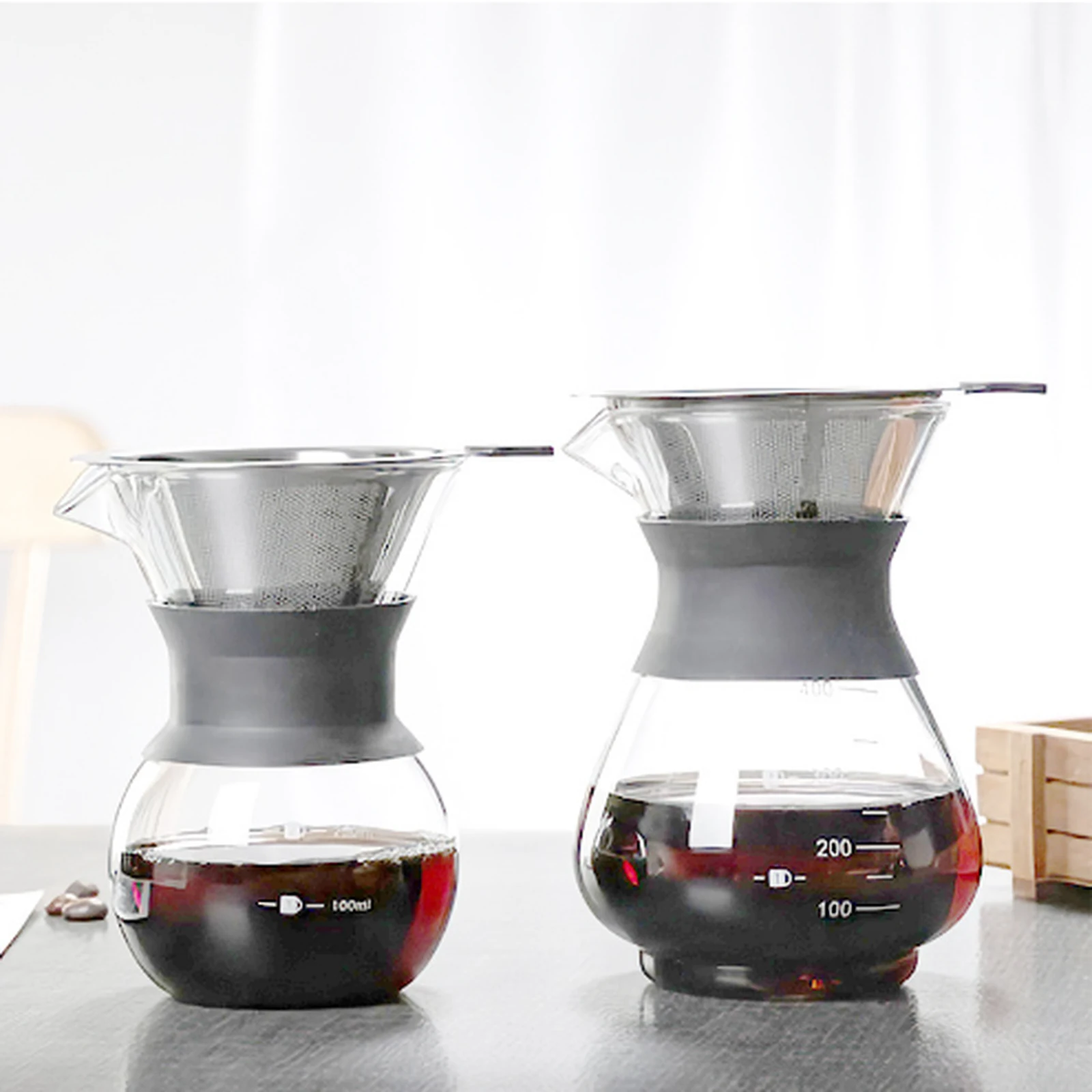
A glass teapot is rarely only one glass component. The buyer may be purchasing a pot, lid and infuser as one retail item. A gift set may also include cups, a serving pitcher and an insert. Every piece has to fit, function, survive packing and arrive with the correct count.
This is why we do not quote a “600ml glass teapot” from capacity alone. We ask how the product will be used, what type of tea it will brew, which infuser and lid are required, whether it is sold alone or as a set, and what the destination market expects from the box.
From our supply-side review, a good glass teapot project is a controlled system. The body, spout, handle, lid, infuser, logo and packaging are approved together. That work begins before bulk production, not during final inspection.
We ask whether the buyer is selling a brewer, a serving item or a gift set
A tea brand may want the infuser to be visible because brewing function is part of the shelf message. A homeware importer may want a clean teapot that coordinates with cups. A corporate gift buyer may care most about the complete presentation and delivery date. A café or hospitality buyer may focus on pouring, repeated handling and replacement components.
These situations lead to different specifications.
For a brewer, we discuss leaf space, infuser structure, lid interaction and cleaning. For a serving teapot, we focus on capacity, pouring, handle balance and how the lid behaves during service. For a gift set, we define every component and the insert before confirming the package dimensions.
We also ask whether the buyer expects hot-use, dishwasher or other performance claims. Clear glass does not automatically prove a use condition. The confirmed material, accessories, approved sample and required testing must support the final instruction supplied to the market.
KFH5000 is our practical stainless-infuser reference
KFH5000 is a current borosilicate-glass teapot family with 304 stainless-steel components. The recorded capacities are 400ml and 600ml. Current customization directions include a logo, infuser and lid option. Packing directions include a custom gift box, insert and export carton.
The planning baseline starts from 2,000 pieces, while a typical sample lead time is 7–15 days after the selected capacity, component list, logo and pack direction are clear.
Review the KFH5000 glass teapot with stainless infuser.
This current model lets a buyer begin with something measurable. The 400ml and 600ml versions can be compared against the intended serving size and price point. The infuser and lid can be checked physically. The gift-box insert can be designed around the approved item rather than around an estimated drawing.
Those facts describe the recorded KFH5000 route. A different shape, component material, coating or new accessory requires its own review.
Capacity should match the way tea is actually served
The largest capacity is not automatically the best value.
A 400ml teapot may suit personal brewing or a compact gift format. A 600ml version may fit shared service or a buyer who wants more shelf presence. Larger family sizes can be appropriate for homeware or hospitality, but the filled weight, handle balance and box become more demanding.
We ask the buyer how many cups the pot should serve and whether matching cups are part of the range. A teapot capacity stated on the product page is a starting specification; the buyer should verify usable service volume during the sample review.
When several capacities are ordered, each one becomes a quantity decision. A total of 2,000 pieces divided between multiple capacities is not the same production plan as 2,000 pieces of one size. The box and insert also change with the body height.
The infuser and lid must be reviewed as functional components
The infuser affects more than appearance. Its dimensions, perforation pattern, placement and removal influence brewing and cleaning. The lid may contact the infuser, the glass rim or both, depending on the chosen structure.
From our side, we inspect stainless-infuser fit, lid contact, handle, spout, capacity and the way metal parts are separated from the glass inside the box. We ask the buyer to approve the actual component set, not a generic description such as “with filter.”
If a buyer sends a reference photo of a different infuser, we compare it with the current opening. A small difference can affect fit. We do not assume that a component from another teapot can be transferred without checking dimensions and use.
The buyer should also decide whether replacement infusers or lids are part of the order. Spare components need their own count, label and protective pack so the warehouse can identify them.
Pouring and balance belong in sample approval
A teapot has to be evaluated in motion. We check the spout and drip behavior, handle and lid fit, and the product’s balance when filled. The buyer should repeat those checks under the intended serving condition.
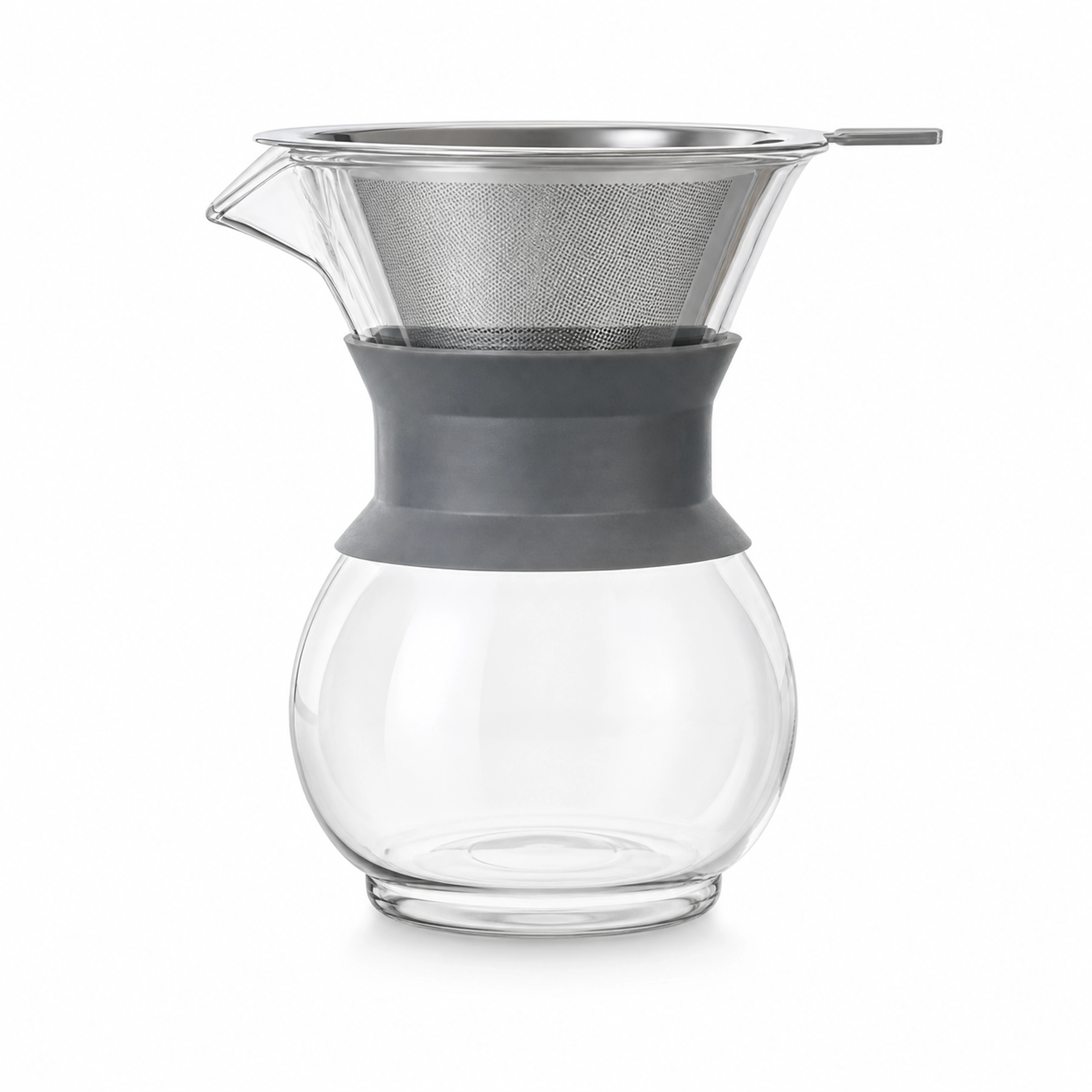
Real product image of the current KFH5000 range. It provides a visible starting point for sample and component review.
During the sample review, pour at a normal service speed. Check whether the grip is comfortable, whether the lid behaves as expected and whether the infuser is easy to remove. Look at the rim and spout finish. Confirm that the logo remains visible in the normal display direction.
If the teapot is part of a set, review the cups and serving pieces at the same time. A beautiful individual teapot can still feel wrong when the capacities, proportions or decoration do not coordinate with the rest of the collection.
Logo and branding should not interfere with the product
We ask for vector artwork, preferred color, size and position. On a teapot, the body curvature, handle, spout and infuser visibility all affect the decoration area.
A tea brand may prefer a restrained logo that leaves the tea color visible. A gift project may require artwork on the box as well as the glass. These are separate approvals. The glass decoration sample confirms the product, while a print proof or packaging sample confirms the presentation.
We avoid placing artwork too close to a sharp curve or functional area simply because it looked centered in a flat design file. The selected body determines the practical print area.
MOQ changes when a teapot becomes a set
Our common planning baseline for KFH5000 starts from 2,000 pieces. The final minimum depends on capacity split, component versions, logo, gift-box structure and quantity per SKU.
A single 600ml teapot with one infuser and one box is simpler than a range combining 400ml and 600ml, several lid colors and two language-specific boxes. A set with cups adds component matching, insert positions and count accuracy. Printed packaging can also have its own practical production quantity.
For a first order, we often recommend narrowing the assortment. Choose the capacity that best matches the core customer, use one approved component route and build one finished package. The next order can expand after the buyer knows which version sells.
Read how variant splits affect glassware MOQ.
Gift packaging should be developed around the approved teapot
A teapot has several projecting and movable parts. The handle and spout need space. The lid and infuser need separation. A cup set must prevent glass-to-glass movement. An insert that looks neat on a drawing can still apply pressure to the wrong point.
We first freeze the piece list: teapot capacity, lid, infuser, cups, serving accessories and spare pieces. Then we confirm the insert layout, retail or gift box, labels, inner quantity and export carton.
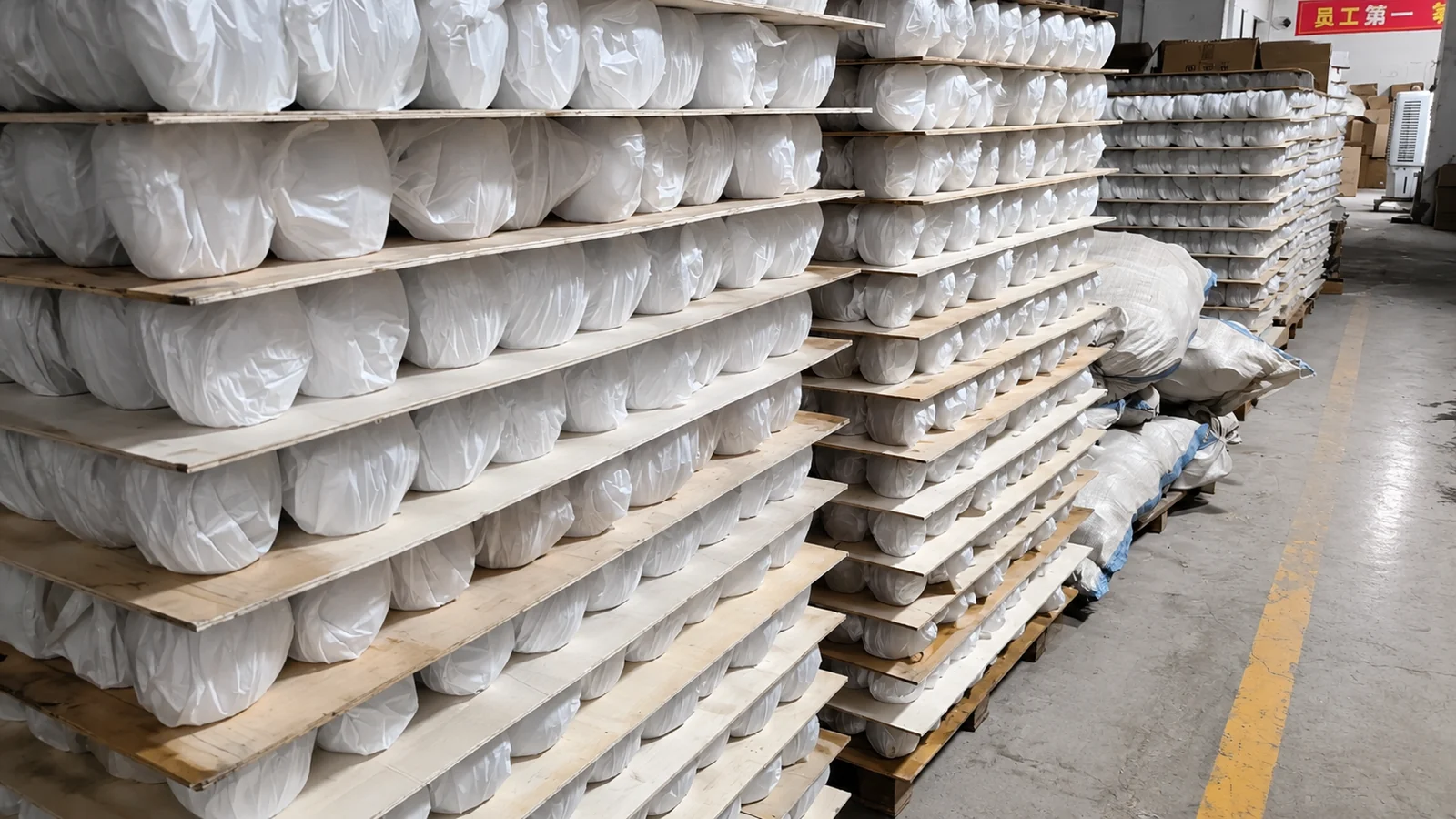
Real Guangyi Glass supply-side staging. It illustrates controlled separation and handling, not a named customer’s teapot order.
For e-commerce, a presentation box may need an additional parcel-protection solution. For wholesale or hospitality, a practical divider and strong export carton may be more important than premium finishing. The sales channel decides the correct pack, not a universal box template.
See our retail, gift and export packaging process.
What we inspect before shipment
Our typical glass-teapot checkpoints include the spout and drip check, handle and lid fit, infuser fit, relevant thermal-shock requirement, gift-set count and insert. We also inspect the agreed capacity or dimensions, glass finish, logo and carton protection.
The approved sample and written component list are the reference. If the buyer changes a lid, infuser or box after sample approval, we update the specification and identify whether another proof is needed.
For gift sets, count accuracy is a product-quality issue. A correct teapot in a box with the wrong cup count or missing infuser is not an acceptable finished set.
Review our supply-side glassware QC process.
What to send in a glass teapot RFQ
To prepare a useful route and quotation, send:
- Product link, SKU, drawing or reference image
- Target capacity and serving situation
- Intended tea or beverage use
- Required lid and infuser specification
- Complete set list, including cups or spare pieces
- Logo file, color, size and position
- Quantity per capacity and component version
- Gift, retail, e-commerce or bulk pack direction
- Destination market and required date
If you are deciding between a teapot alone and a gift set, tell us both routes. We can separate the assumptions so you compare complete products rather than incomplete unit prices.
Buyer FAQ
What is the MOQ for custom glass teapots?
Our current planning baseline for KFH5000 and many OEM projects starts from 2,000 pieces. Capacity splits, infuser or lid versions, logos, set components and packaging can change the practical minimum.
What capacities are available for KFH5000?
The current product record lists 400ml and 600ml versions. Buyers should select the capacity according to serving use, target price, pack size and quantity per variant.
Can the stainless infuser be customized?
We can review the infuser requirement against the selected teapot opening and lid structure. Send the component reference and intended use. Any new specification must be sampled and approved for fit.
How long does a teapot sample take?
For a current model with confirmed components, 7–15 days is a typical planning range. A new mold, new infuser, complex decoration or gift-box development can change the schedule.
Can you make a teapot and cup gift set?
Yes. Send every item, capacity and quantity in the set. We review component compatibility, logo positions, insert layout, spare-piece plan, gift box and export carton together.
What should we test on the sample?
Check capacity, filled balance, handle comfort, pouring and drip behavior, lid and infuser fit, glass finish, logo, cleaning considerations and packaging. Use the intended serving condition.
Can you confirm dishwasher, microwave or stovetop use?
We confirm use claims only against the selected product, accessories, approved instructions and required testing. Glass, coatings, lids, filters, wood and metal components must be assessed separately.
Build the specification before the gift box
Guangyi Glass works with tea brands, homeware importers, gift buyers and distributors on teapots and tea sets. We begin with a real product and a clear serving situation.
Send the closest model, capacity, infuser, lid, quantity, logo, set list, box direction and destination. We will identify what can use a current model, what needs sampling and which decisions affect MOQ, timing and export protection.
Request a glass teapot sample or quote or compare our current glass teapot models.